Advisory Council biographies
Chair
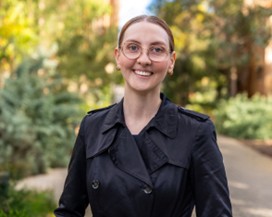
Jane Spring AM (New South Wales)
Jane Spring AM is Chair of the Australia’s Disability Strategy Advisory Council and Chair of Disability Council NSW. She is also Chair of Sydney University Sport and Fitness, and a Director of Royal Rehab, the Institute of Public Administration NSW, and Venues NSW. Jane is a member of the Audit and Risk Committee of the Office of Sport NSW.
Jane brings more than 30 years of lived experience of disability, following a car accident in 1990, together with senior executive and non-executive leadership across government, health, education and sport. Jane is a strong advocate for leadership by people with disability, in both executive and governance roles to increase visibility, influence and impact, and to ensure policies and services respect autonomy and support fulfilling lives.
Jane has held senior executive roles including Assistant Commissioner, NSW Public Service Commission and Deputy CEO, Jobs for NSW, and previously served on boards including the University of Sydney Senate, Western Sydney Local Health District, and Wheelchair Sports Australia. She is a Fellow of the Australian Institute of Company Directors and the Governance Institute of Australia, and an Honorary Fellow of the Institute of Public Administration and the University of Sydney.
Core members
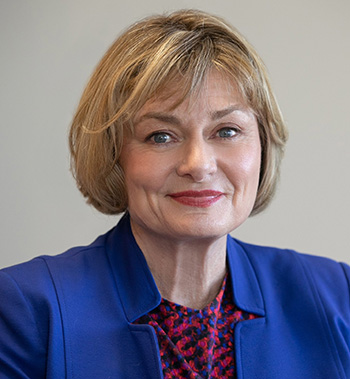
Akii Ngo (Victoria)
Akii (they/them) is an international multi-award-winning disability, gender equity advocate and family, domestic, intimate partner and sexual violence survivor-activist, trainer and educator. Akii is fiercely dedicated to and deeply passionate about human rights, accessibility, intersectionality, inclusion, advocacy, non-tokenistic representation and all aspects of co-design. They are a proudly multiply disabled, multiply-neurodivergent (Autistic, ADHD & Complex-PTSD), gender-diverse transgender non-binary and Queer/LGBTIQA+ person of colour (POC), from a refugee, culturally, racially and marginalised (CARM) non-English speaking background. Akii lives with numerous complex chronic illnesses, debilitating constant chronic pain and has several degenerative physical and neurological disabilities.
Akii is an experienced subject matter expert consultant, facilitator, writer, professional keynote presenter and an internationally published & represented model pushing to improve disabled, neurodivergent, LGBTIQA+, mobility aid, POC and intersectional representation in the mainstream, media, beauty and fashion industries. Recently, Akii worked as the inaugural Sydney WorldPride 2023 Accessibility (Diversity & Inclusion) Manager and concurrently, as a Senior Co-design & Engagement Advisor for the NDIA, leading and focusing on the NDIS LGBTIQASB+ strategy and LGBTIQASB+ - affirming practices. Akii now presently works a full-time role at one of Victoria’s most diverse universities as the Equity, Inclusion & Belonging (EIB) Lead, is a National Sessional Violence Prevention Trainer at No To Violence and sits on numerous councils and advisory committees throughout Australia.
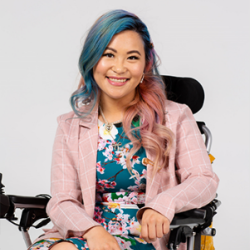
Uncle Wilfred Prince (Queensland)
Uncle Willie Prince’s life is a testament to resilience and the power of self-discovery. He was born on the Aboriginal mission of Cherbourg in Wakka Wakka country and has a spiritual connection to the Kalkadoon peoples of Mt Isa. Uncle Willie faced the challenges of being part of the Stolen Generation - a painful period in Australian history when Aboriginal and Torres Strait Islander children were forcibly removed from their families and communities. He was born with a disability in the 1960’s, a time where Indigenous people were not recognised as Australian Citizens and were considered property of the government. He was displaced at the age of two when he was removed from country and community and placed in institution care.
Despite the difficult circumstances, Uncle Willie’s determination and curiosity inspired him to seek answers about his identity and culture. As he grew older, he began asking questions, determined to reclaim his identify and connection to his roots. Raised within the systems of institutional and government care, away from his family, people and community, he embarked on a journey of self-discovery. Along the way, he received support from various individuals who helped him navigate this challenging pathway.
One significant turning point in Uncle Willie’s life was his opportunity to learn more about his life. There, he delved into learning more about his background and where he came from. Conversations with other Indigenous people with disabilities further enriched his understanding. Uncle Willie’s story is a powerful testament of resilience, the importance of cultural identity, and the strength that comes from reclaiming one’s voice. His experience serves as a reminder of the need to listen to and honour the stories of those who have faced adversity and triumphed against all odds.
Uncle Willie was one of the inaugural members of the Disability Council of Queensland 1999-2001
Award: Centenary of Federation of Australia.
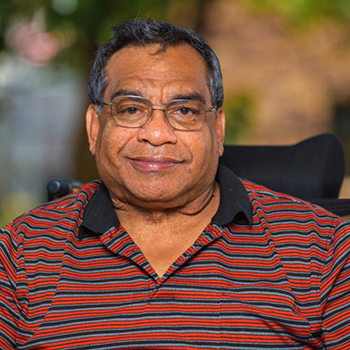
Dr. Keran Howe OAM, GAICD (Victoria)
Keran has a social work background and lived experience of disability. She has been a leader in health and disability over many years advising national and state governments on policy reform related to women’s health, violence prevention and the rights of people with disabilities.
A Churchill Fellow, Keran has Chaired the Victorian Disability Advisory Council and Women with Disabilities Australia and Co-Chaired the National Disability and Carers Advisory Council.
Her professional roles included Manager, Women’s Social Support Services, Royal Women’s Hospital and Executive Director, Women with Disabilities Victoria.
Keran has been awarded an honorary doctorate, a Centenary Medal, the Lesley Hall Lifetime Achievement Award and the Order of Australia Medal for her work on behalf of people with disabilities and has been inducted to the Victorian Honour Roll for Women.
Keran continues to work for the human rights of people with disability as an advisor in related areas and is an Independent Director, National Disability Research Partnership, and a member of the Disability Innovations Institute (UNSW) Advisory Council and the Spinal Cord Injuries Association Clinical Governance Committee.
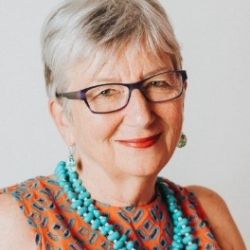
Ms Sara Shams
Sara Shams is a pharmacist, intersectionality strategist, and disability rights advocate. She brings expertise across health policy, governance, systems reform and lived experience to inform the implementation and ongoing development of Australia’s national disability framework.
With a professional background in pharmacy and health, Sara has worked across clinical practice, stakeholder engagement, and policy environments, with a strong focus on translating evidence and community insight into practical, sustainable systems change. She is the Founder of Ethnobility, a social impact consultancy advancing disability inclusion through an intersectional and culturally responsive lens, particularly for people with disability from culturally and linguistically diverse communities. Through Ethnobility, she leads strategy, advisory, and policy-informed work with government, organisations, and community groups to embed accessibility, equity, and intersectionality across programs, services, and public spaces.
Sara serves in senior leadership roles including Board Chair and advisory positions across sectors, contributing to strategic oversight, governance, and accountability. She is an experienced keynote speaker, consultant, and media contributor, regularly engaged by government, universities, and corporate organisations to advise on disability equity, inclusive leadership, and representation.
A disabled woman of colour, Sara’s work is grounded in intersectional advocacy and authentic inclusion. Her contributions have been recognised through awards and ambassador roles, reflecting her commitment to strengthening equitable systems where disabled people – in all their diversity – can participate, lead, and thrive.
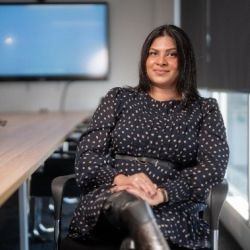
Ebe Ganon
Ebe Ganon is a community engagement practitioner, researcher, and disability advocate living on Ngunnawal and Ngambri country (ACT). Ebe uses her lived and professional expertise to promote accessibility in education, employment, and mainstream fitness settings. Her background spans the public service and higher education sectors across a range of roles and project areas relating to inclusion, accessibility, governance, and policy.
Ebe is currently a PhD candidate at UNSW Canberra focused on disability employment policy. She is a member of the Centre for Research Excellence in Achieving Health Equity for All People with Disabilities (CRE-AHEAD), and an affiliate to the Disability Innovation Institute of UNSW (DIIU). She is the Board Chair and non-executive director of Children and Young People with Disability Australia (CYDA). Ebe holds a Master of Disability and Inclusion from Deakin University, and a Certificate IV in Australian Sign Language (Auslan).
Ebe's work has been recognised through the 2025 Sue Salthouse Award for Championing Human Rights and Equality; 2025 Student Voice Australasia Student Change Maker Award; and 2024 National Awards for Disability Leadership Change Maker Award. Ebe was also supported as an Emerging Young Leader delegate to the 18th Conference of State Parties on the Convention on the Rights of Persons with Disabilities (COSP18) at the United Nations in New York.
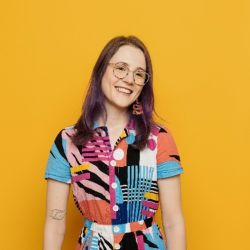
Special Advisors
Dr Nicholas Hartland PSM
Dr Nicholas Hartland PSM is a highly respected former Commonwealth public servant with a distinguished career spanning health, ageing, disability, and social policy.
Dr Hartland has held senior executive roles within the Department of Health and Aged Care, including as First Assistant Secretary in the Ageing and Aged Group, where he was responsible for aged care funding reform, the Support at Home program, and health economics.
Dr Hartland played a key role in major national reforms, including the design and implementation of the National Disability Insurance Scheme, aged care funding reform, and improvements to income support systems such as the Age Pension and Disability Support Pension.
Dr Hartland holds a PhD in Criminology from the University of Melbourne and a Bachelor’s degree in Political Science. Dr Hartland was awarded the Public Service Medal for his outstanding contributions to social policy, particularly in the establishment of the NDIS and pension reform.
Since retiring from the Australian Public Service, Dr Hartland has continued to contribute thought leadership to the aged care and disability sectors through advisory roles and public speaking engagements.
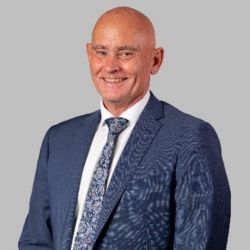
State and Territory Representative Members
ACT
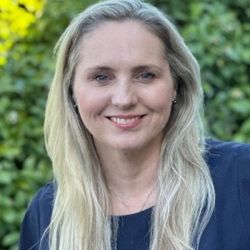
Ms Kelly Brown
Kelly Brown is a policy professional and advocate with a strong focus on disability inclusion, whole of system reform, and equitable public policy. She brings experience across government and advisory settings at state and federal level, contributing to policy development, implementation, and accountability in complex systems that intersect health, disability, ageing, veterans, and families.
Kelly is a person with disability and a carer, and her work is grounded in lived experience and informed by a rights-based understanding of disability. She is particularly committed to strengthening inclusive and accessible systems, improving coordination across portfolios, and ensuring that people with disability are meaningfully involved in policy design, delivery, and evaluation as their needs and circumstances change.
As Chair of the ACT Disability Advisory Council, and through her participation in women in leadership development programs, Kelly brings a collaborative and evidence informed approach to leadership. She supports constructive engagement between government and community, working to ensure policy decisions are informed by lived experience and lead to practical outcomes.
In her role on Australia’s Disability Strategy Advisory Council, Kelly will actively contribute to national disability policy with a focus on intersectionality, co design, and inclusive reform.
She is committed to advancing shared responsibility for outcomes that support the safety, inclusion, and wellbeing of people with disability, their families, and carers.
QLD
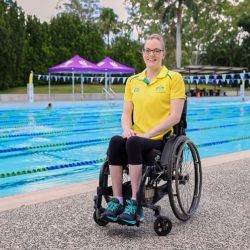
Ms Rachael Watson
Rachael Watson OAM PLY, is a 3 x Paralympic Swimmer and won 2 gold and 2 bronze medals across the Rio 2016, Tokyo 2020 and Paris 2024 Paralympic Games. Rachael is the current World Record Holder in the 50m Freestyle S3. She has been a member of the Australian Dolphins Swim Team for 10 years so far and is currently training for the Los Angeles 2028 Paralympic Games.
Rachael has recently been awarded a 2025 Churchill Fellowship and will be travelling to Europe in 2026 to investigate “coaching methods and support requirements for swimmers with High Support Needs.” People with severe disability are often highly unrepresented in healthcare or physical activity and the health benefits of exercise and reduction of health complications are significant for people with disability. Rachael aims for foster an environment where every person with disability can be water safe, learn-to-swim, swim recreationally for improved health and fitness or represent Australia at a Paralympics and aspire to make the podium.
Rachael is a member of the Queensland Disability Advisory Council and is passionate about improving healthcare, disability and sporting outcomes for all people with disability, carers and clinicians. Rachael has extensive experience in healthcare in voluntary and paid positions and aims to be a strong voice to help create change in the Australian healthcare system.
TAS
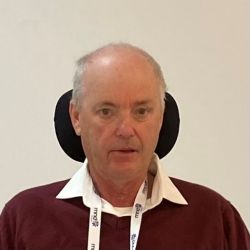
Mr Chris Symonds
Chris is living with Kennedys Disease, a progressive Motor Neuron Disease without cure or treatment. Chris lives with his wife Fayellen in Wynyard Tasmania, and has four children.
A Boilermaker Welder by trade, Chris left employment in 2010 as a Senior Manager at Caterpillar Underground Mining, a design and Manufacturing facility based in Burnie Tasmania and now focuses on his health, family, community, sailing, and self-managing his National Disability Insurance Plan.
Chris holds a Graduate Certificate in Business Management.
Chris volunteers his time to several Boards throughout Tasmania, Australia and Internationally. Chairing the Tasmanian Premiers Disability Advisory Council, Commodore of Wynyard Yacht Club, President of Motor Neuron Disease Association Tasmania, Vice President of Sailability Tasmania, Chair of Australian Sailing Tasmania Regional Advisory Committee, Board member Motor Neuron Disease Australia and Board member of the International RS Venture Connect Sailing Class Association.
Chris is a sailor from ten years of age, a three-time World Champion who competes successfully at World, European, Asia Pacific, National, State level. Chris has won the Australia Sailings Para Sailor of the Year six times.
WA
Miss Ellie Moir
Miss Ellie Moir is a Nyoongar woman born in Esperance (Wadjuri Country).
Ellie became involved with the disability sector when her mother became unwell. She and her sister cared for their mother since Ellie was 12 years old. At 17 years of age, Ellie was diagnosed with Ehlers Danlos Syndrome, a genetically inherited connective tissue disorder. Managing and advocating for now two people living with disability meant engaging with disability systems and support services from a very young age.
Dealing firsthand with the complexity of the disability systems, Ellie soon developed a passion for advocating for disability rights, inclusion and accessible support for people with disabilities; particularly for those living in regional and remote locations across Western Australia.
Through her professional life, Ellie has gained experience in drafting and implementing policies, services, programs and activities that are disability inclusive and supportive.
Ellie is currently employed as a Lecturer for the Department of Social Work and Social Policy at the University of Western Australia and for the past five years, Ellie has also worked as an NDIS Support Coordinator, helping people with disability navigate the NDIS system.
Ellie holds an Undergraduate Degree in Psychology and a Master of Social Work and is a registered Social Worker