
Sarah's story

Sarah’s turning point
Sarah has been blind since birth, but growing up, she wasn’t really aware that there was something different about her.
“Apart from a few adjustments, my parents raised me like any other child,” she explains. “I was super active and liked riding bikes, climbing trees and doing what other kids do.”
Sarah didn’t use any mobility aids or equipment until her teenage years, when she started carrying a cane to travel on trains.
“I was never very comfortable with the cane,” she admits. “I felt self-conscious and like it made me stand out. I kept trying to hide it.”
Getting her first guide dog at university marked a big change for Sarah, even changing how she felt about her disability.
“It opened up my life in terms of my independence, what I could do and where I could travel,” she reflects. “You can’t exactly hide a big golden labrador! So it helped me to say, this is who I am.”
Fast forward to today, and Sarah is completely comfortable with her blindness and onto her third guide dog, Zali.
“Zali is cheeky, independent and brave,” Sarah laughs. “When we’re home and her harness is off, she’s a pet dog and part of the family. I have two young children and Zali loves cuddling with them, it’s gorgeous.”
For work, Sarah manages a team of people with lived experience of blindness and low vision to do external training for clients. Their office has a lot of accessibility features to support people with low vision.
“There are tactile ground surface indicators, which are bumps at the top of stairs and ramps that let people know there's a hazard,” Sarah explains.
“There are black lines on the floor to guide people who have remaining sight around. The corners of the office are also rounded so that no-one injures themselves by bumping into a sharp edge.”
Technology is a big part of Sarah’s life. She relies on her screen reader to do her job and navigate everyday life.
“I'm using different types of technology every day to access the internet, online shop, use social media,” she says. “So online accessibility is incredibly important to me.”
The accessibility of the Disability Gateway, particularly its search functionality, impressed Sarah when she used the website.
“I found it incredibly intuitive and easy to use,” she says. “I typed ‘blindness’ and a whole dropdown of interesting services appeared. Being able to drill that down even further by State was really helpful.”
| Audio | Visual |
|---|---|
[Background music playing - soft piano] Growing up, I wasn’t particularly aware that I was different. | A woman with a guide dog is walking into a building |
| It wasn’t unit I was 11 that other children began to tease me for being blind. | A woman is sitting in an office, speaking to the camera. |
| I always felt self-conscious using a cane. | A woman is reading the Braille sign on a wall. |
| You can’t hide a big golden Labrador. | A golden labrador is guiding a woman through an office building. |
| So it really helped me say, ‘This is who I am’. | Two women are walking through an office building, one is guided by a labrador. |
| My name is Sarah, I coordinate a program of lived experience presenters. | Sarah is sitting in her workplace, speaking to the camera. |
| So when I’m out and about, Zali has her harness on and we’re travelling to work, on and off public transport. | A labrador named Zali is guiding Sarah around her office. |
When we get home, she’s just a pet dog. She’s very much part of the family, It’s quite gorgeous. | Zali is guiding Sarah around her workplace. Sarah is sitting in her workplace, speaking to the camera. |
| I really love my current workplace. it was co-designed with people with blindness. | Sarah is reading the Braille map of her workplace. |
| So we have dog dens, water bowls, all sorts of cozy corners for the dogs to snuggle up in. | Sarah and Zali are walking around the workplace. Zali stops to use a waterbowl. |
| People aren't sure what people who are blind can actually do. We can do most things if we’re given the right support. | Sarah is sitting in her workplace using a laptop. Zali is lying at Sarah’s feet. |
| When I go on the Disability Gateway website, I really love the search function. It makes it very easy to find information. | Sarah is scrolling through the Disability Gateway Website on her laptop. |
| [Background music playing - soft piano] | A closing slide appears with the Disability Gateway logo, the Australian Government logo and the website URL: www.disabilitygateway.gov.au |
| Audio | Visual |
|---|---|
[Background music playing - soft piano] Growing up, I wasn’t particularly aware that I was different. | A woman with a guide dog is walking into a building |
| It wasn’t unit I was 11 that other children began to tease me for being blind. | A woman is sitting in an office, speaking to the camera. |
| I always felt self-conscious using a cane. | A woman is reading the Braille sign on a wall. |
| You can’t hide a big golden Labrador. | A golden labrador is guiding a woman through an office building. |
| So it really helped me say, ‘This is who I am’. | Two women are walking through an office building, one is guided by a labrador. |
| My name is Sarah, I coordinate a program of lived experience presenters. | Sarah is sitting in her workplace, speaking to the camera. |
| So when I’m out and about, Zali has her harness on and we’re travelling to work, on and off public transport. | A labrador named Zali is guiding Sarah around her office. |
When we get home, she’s just a pet dog. She’s very much part of the family, It’s quite gorgeous. | Zali is guiding Sarah around her workplace. Sarah is sitting in her workplace, speaking to the camera. |
| I really love my current workplace. it was co-designed with people with blindness. | Sarah is reading the Braille map of her workplace. |
| So we have dog dens, water bowls, all sorts of cozy corners for the dogs to snuggle up in. | Sarah and Zali are walking around the workplace. Zali stops to use a waterbowl. |
| People aren't sure what people who are blind can actually do. We can do most things if we’re given the right support. | Sarah is sitting in her workplace using a laptop. Zali is lying at Sarah’s feet. |
| When I go on the Disability Gateway website, I really love the search function. It makes it very easy to find information. | Sarah is scrolling through the Disability Gateway Website on her laptop. |
| [Background music playing - soft piano] | A closing slide appears with the Disability Gateway logo, the Australian Government logo and the website URL: www.disabilitygateway.gov.au |
You can also look at...
Sarah's story
An Easy Read case study
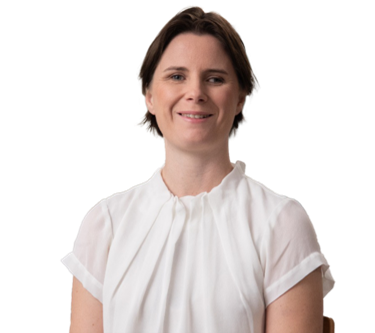 | This is a story about a person with a disability called Sarah. |
 | Sarah has been blind since she was born. |
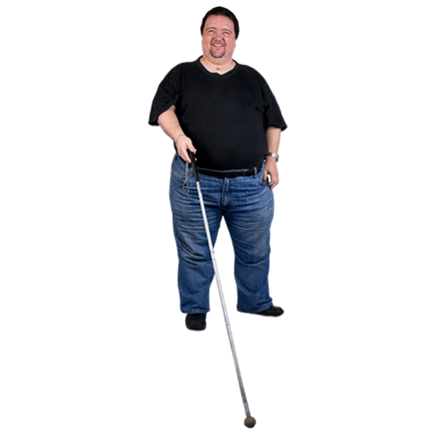 | When she was a teenager, Sarah used a cane to help her get around. |
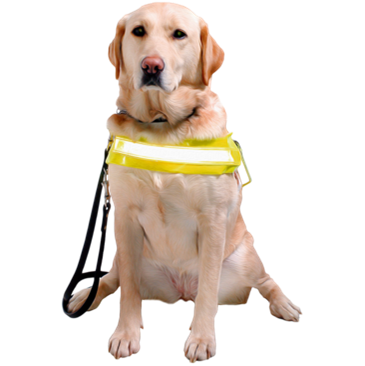 | Sarah got her first guide dog at university. |
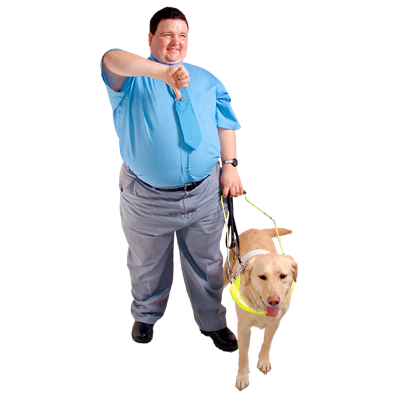 | Guide dogs help people living with blindness to move around easily. |
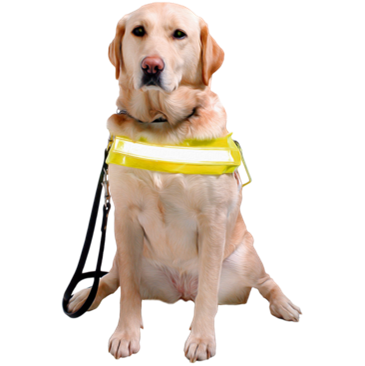 | Sarah’s guide dog is called Zali. |
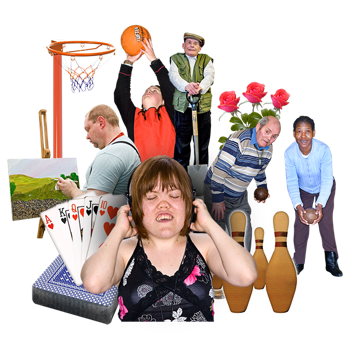 | Zali helps Sarah to live a more active and independent life. |
 | Sarah works for a company with many people living with blindness or low vision. |
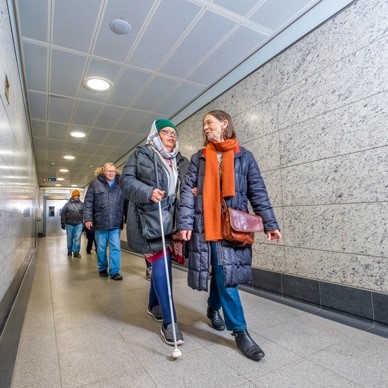 | Her office has many features to support people living with blindness or low vision. |
 | Some of the features are:
|
 |
|
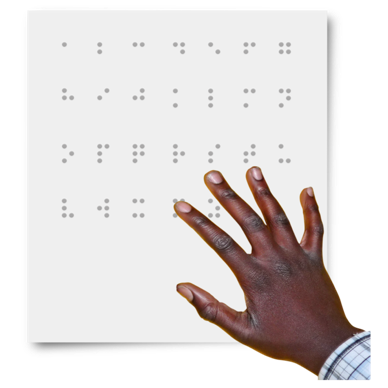 |
|
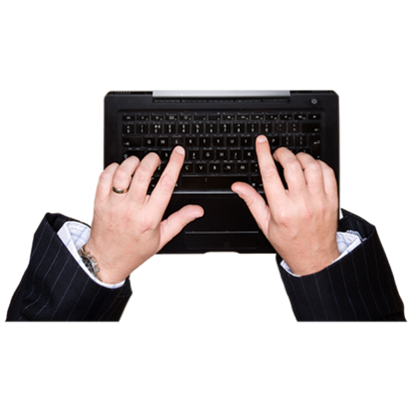 | Technology is a big part of Sarah’s life. |
 | She uses a screen reader to do her work. |
 | Sarah found the Disability Gateway website very easy to use. |
 | Sarah says the website is very helpful for people living with blindness. |